
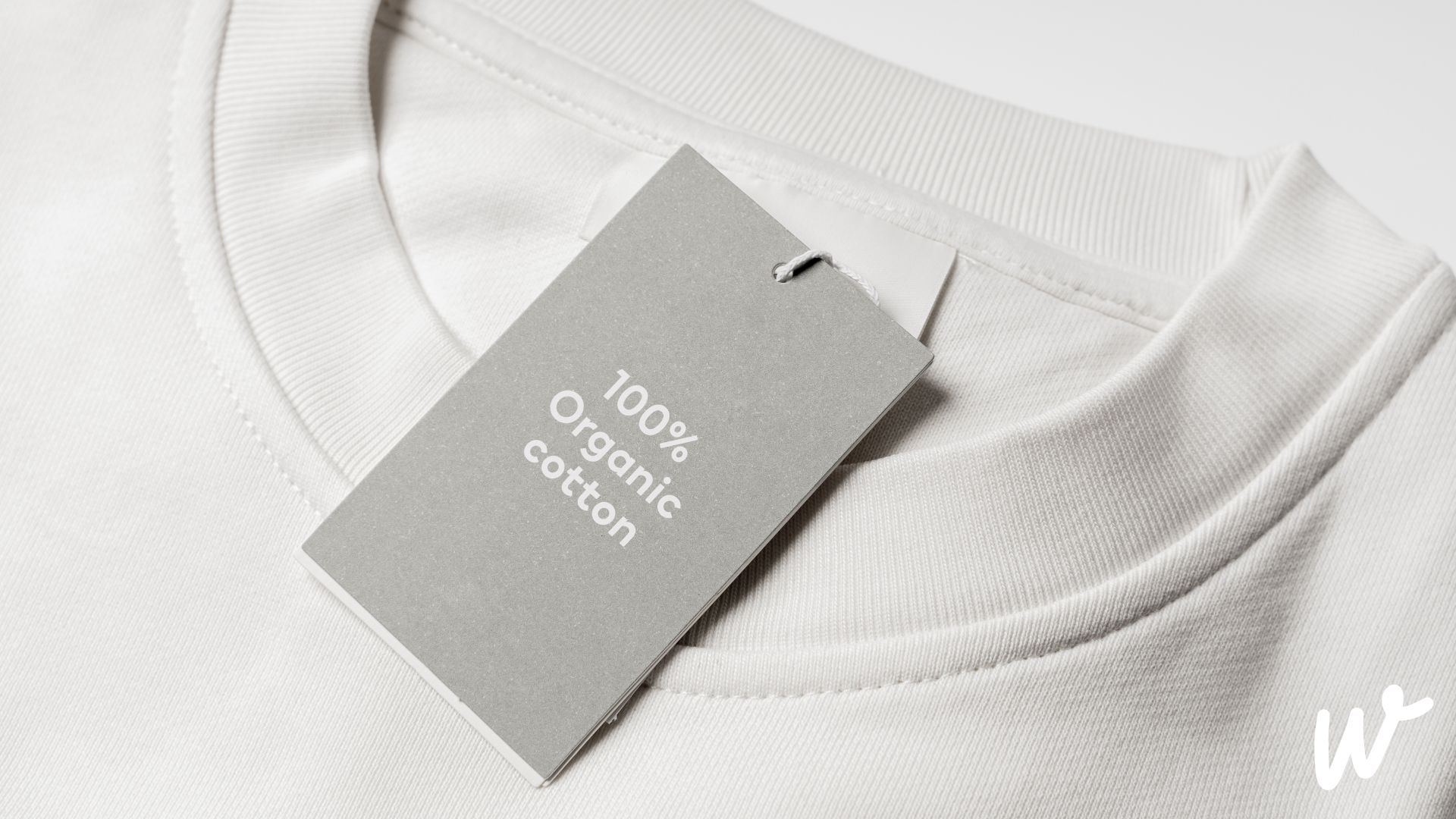
Organic clothing is in, wearing synthetic chemicals on your body is out. But what does ‘organic’ mean in the fashion world? And how do you know if the organic clothing you’re buying is legit?
So, you’re looking to buy organic clothing and create a healthier, non-toxic, planet-friendly wardrobe?
But… you’re not quite sure what “organic” means in the fashion world?
It’s OK, you’re not the only one and you’ve come to the right place.
Organic clothing, once the reserve of hippies and uncontacted tribes, has burst into the mainstream in recent years.
But in a world of greenwashing where you can slap a “eco” label on just about anything, is “organic” just another meaningless trend?
Firstly, I’m proud of you for caring enough to search the internet for the truth about organic clothing.
Secondly, I can confirm that organic clothing can be legit.
But it can also be misleading and, in some cases, plain fraudulent.
What is Organic Clothing?

The word “organic” in organic clothing refers to how the fabric has been produced — from the farming methods to the manufacturing processes.
Let’s use cotton as an example as it’s one of the most common natural fabrics used in clothing.
Cotton is grown on bushes or shrubs, which are planted and cared for by cotton farmers.
This requires the use of seeds, soil, compost, mulch, fertilizers, pesticides, herbicides, and fungicides.
All of these inputs can either be organic (natural) or synthetic.
Organic cotton is grown using organic inputs and farming methods, including non-GMO seeds, organic compost, natural fertilizers, and bio-pesticides.
For cotton to be legally sold as “organic”, it must be grown on a farm that’s certified to the local government’s organic standard, which can vary between countries.
Once cotton is harvested and leaves the farm, it undergoes intensive processing before it’s made into clothing, which includes cleaning, bleaching, scouring, dyeing, weaving, finishing, and manufacturing.
This involves the use of chemicals and dyes that can also be organic or synthetic. Unfortunately, this part of the process is largely unregulated.
The Global Organic Textile Standard (GOTS) is the best standard we have for independent certification of the entire supply chain.
Under this standard, a finished item of clothing can be labeled “organic” if 95% of the fibers used in its production are organically grown.
What are the Most Common Organic Clothing Fabrics?
The most common natural fibers used in organic clothing are:
- Cotton: Grown on shrubs and bushes
- Linen: Made from the stems of flax plants
- Hemp: Made from the stalk of low-THC cannabis plants
- Wool: Shorn from sheep, usually in the Spring
- Silk: Made from the cocoons spun by the larvae of the silk moth
There are other natural fibers used in clothing production, such as bamboo, modal and rayon, that undergo intensive chemical processing, making organic certification impossible.
Why Choose Organic Clothing?
Health Reasons
Reduced Exposure to Toxic Chemicals
You’re wearing your clothing over your body’s largest organ — your skin — so you’re doing your health a favor by going organic. Some of the synthetic pesticides, herbicides and fertilizers used in farming were previously used as nerve agents in chemical weapons of war and are designed to kill insects and organic life in the soil. Not to mention all of the nasty chemicals used in the production process of non-organic clothing, like PFAs, phthalates, flame retardants, and synthetic dyes that are known to cause cancer and disrupt your hormones. You’re better off without that stuff anywhere near your skin.
Health of Farmers and Workers
By buying organic, you’re also contributing to the health of organic farmers and their workers who don’t have to expose themselves to the harmful chemicals used in modern agriculture. There are limited incentives for farmers to switch to organic practices so your support goes a long way.
Environmental Reasons
Sustainable Farming Practices
Organic farming methods promote soil health, water conservation, and biodiversity, which makes it a more sustainable choice for consumers.
Reduced Pollution
Synthetic chemicals used in farming don’t only pollute the natural plants and fibers used in clothing, they also pollute the surrounding environment. Organic farming reduces toxic runoff into waterways and protects local ecosystems.
Lower Carbon Footprint
While not a requirement for certification, organic farming often relies on renewable energy sources and reduces carbon emissions compared to conventional farming. This is more climate-friendly and better for the planet.
Social Reasons
Fair Trade Practices
Many organic clothing brands also adhere to fair trade principles, ensuring better wages and working conditions for farmers and workers. Social conditions are actually part of the Global Organic Textile Standard certification, but not all organic clothing brands adhere to this standard.
Animal Welfare
With organic fabrics like wool and silk, the animals involved are treated more humanely without the use of hormones, antibiotics, and other potentially harmful inputs and practices.
Quality and Comfort
Feel Good Fabrics
Wearing organic clothing not only feels good for your conscience, well-made organic clothing feels really good on your body. The natural, toxin-free fibers are soft, breathable, and comfortable. Often, legitimate organic clothing brands put more care and attention into the production of their garments than low cost, fast fashion brands. You can feel the quality difference.
Market Impact
Supporting Ethical Business Practices
Supporting organic farmers and businesses with your dollars encourages the fashion industry to adopt more sustainable and ethical practices. Without market demand, there’s little incentive for the industry to move in this direction. Every dollar you spend on organic clothing is a vote for all of the health, environmental, social and quality benefits above.
Is ‘Organic’ Clothing Legit?
Yes and no.
There absolutely are legitimate organic clothing brands (see some of our favorites here).
But there’s also a lot of greenwashing and “fabric fraud” in the fashion industry.
One of the major issues with organic clothing is it can be hard to trace the raw fibers from the farm all the way through the supply chain.
So while fabrics may be organically grown, it’s possible they can be mixed with non-organic materials and processed with toxic chemicals and dyes.
Loose regulation, third-party inspections, and unverifiable documentation means regular cotton can be passed off as organic cotton.
There have been cases of high-profile brands being exposed for fabric fraud — saying their clothing was organic when it wasn’t.
And there are other cases where brands use GOTS-certified fabrics, but have them printed or processed in non-certified factories.
So how do you know if organic clothing is legit?
Price is one indicator. If your favorite fast fashion brand is selling an organic t-shirt for the price of a McDonald’s combo, you may want to dig a little deeper.
Good quality, legitimate organic clothing comes at a premium.
Also, brands that are truly committed to organic principles tend to be more transparent about where they source their cotton and who their suppliers and manufacturers are.
Most of them will be Global Organic Textile Standard (GOTS) certified. While that’s not 100% foolproof, it’s the best standard we have.
There are also independent media outlets, like Wholeternative, that investigate, rate, and review brands, according to ethical standards. Good On You and Ethical Consumer are a couple we like a lot.
One other thing, if you see large, multinational, fast fashion brands selling “organic” clothing, you have every right to be skeptical.
Even if some of the cotton in their collections is organically grown, this is probably offset by the majority of the cotton and other fabrics in the collections that aren’t.
That’s not to say to write-off big brands. They should be recognised for every step they take in the right direction.
However, if you’re looking to buy legitimate organic clothing, smaller, boutique brands with heart are the way to go.
How to Identify Organic Clothing

Global Organic Textile Standard (GOTS)
As mentioned, the best organic label to look out for is the Global Organic Textile Standard (GOTS).
GOTS certification covers the entire supply chain from the farm to the finished product.
There are two GOTS labels — the 95-100% organic one, and the 70-94% organic one.
Brands using these labels should also display their license number for verification purposes.
Consumers can check license numbers in the GOTS supplier database.

Organic Cotton Standard (OCS)
The Organic Cotton Standard (OCS), overseen by Textile Exchange, is a less rigorous voluntary standard than the GOTS.
It simply tracks the flow of raw material from the farm to the final product, but doesn’t cover the entire supply chain and manufacturing process.
OCS certification has two levels — OCS 100 for products that contain 95-100% certified organic material and OCS Blended for products that contain 5-94% certified organic material.

United States Department of Agriculture (USDA) Organic Standard
The USDA organic certification for textiles ensures that the raw fibers used in textile products are produced according to the USDA’s National Organic Program (NOP) standards.
It primarily applies to the farming methods and doesn’t cover the entire supply chain.
The guidelines state that, for a product to be labeled as organic, the processing must avoid the use of synthetic chemicals, but there appears to be very little oversight.
The USDA Organic Standard has three labels — 100% Organic, Organic (at least 95% organic), and Made with Organic (at least 70% organic).
The USDA also approves the use of the GOTS certification in the United States.
Oeko-Tex® Organic Standard
The OEKO-TEX® Organic Standard is a certification system that ensures textile products are made from organic raw materials and produced in a way that is environmentally and socially responsible.
Similar to GOTS, the OEKO-TEX® Organic Standard covers the entire supply chain and includes criteria for pesticides, GMOs, chemical use and labor conditions.
The OEKO-TEX® Organic Standard has two labels — 100% Organic and Blended (minimum 70% organic). It also requires that GMO levels are less than 5%.
OEKO-TEX® has been around since 1992, but they only launched the organic certification in 2023.

The EU Ecolabel
The EU Ecolabel is the closest thing the European Union has to an organic clothing standard.
Although it is not exclusively for organic textiles, it includes stringent criteria that can apply to organic textiles as well as conventional ones.
While the EU Ecolabel doesn’t hold the same weight with regards to organic fibers and manufacturing as some of the other certification systems, it represents a higher standard of sustainability.
An “organic” clothing item with an EU Ecolabel should, theoretically, contain at least 95% organic fibers.
The standard also has requirements for water, energy, and chemical usage during the manufacturing process.
Where to Find Organic Clothing
Organic clothing is almost everywhere these days. But, as you’ve learned, not all organic clothing is created equal.
We recommend looking for brands that are certified to one or more of the standards listed above to ensure you’re getting legitimate organic clothing.
A few of our favorite organic clothing brands are:
- Pact for men’s and women’s fashion
- Yes Friends or Organic Basics for basics
- Subset for underwear
- Outerknown for casualwear and jeans
- Iron Roots for activewear
- Patagonia for outdoor clothing
By adding more organic clothing to your wardrobe, you’re contributing to a more sustainable fashion industry and, more importantly, a better world.
Hey! You might like these, too...

The 7 Best Organic Protein Bars in 2025
Train hard and eat clean with the best organic protein bars. Made from natural,…

The 6 Best Organic, Fair Trade Coffee Brands On Amazon
Want to enjoy a more ethical and sustainable cup of coffee? Try these 6…

We Found The 8 Best Sustainable Jeans Brands In 2024
Wanting to switch to ethical denim free from harmful chemicals? Yeah, thought…